


Are you planning a sailing trip in March? March is an exciting transitional month for sailors: winter is over, but most temperate regions have not yet entered a stable season. During this period, tropical and subtropical sailing areas offer mostly reliable weather, while European and northern regions are only partially suitable for sailing. It is important to note, however, that not all March destinations are safe for all levels of experience. Wind strength, length of crossings, density of shelters and rescue infrastructure make the real difference – not just “the weather is nice”. In this article, we present the best sailing regions in March, their real difficulty levels and where you should go sailing as a beginner, intermediate or advanced sailor.
In this article you can read about the following:
- The Caribbean
- Central America
- Seychelles
- French Polynesia
- Canary Islands (Spain)
- Sailing in March: itineraries
The Caribbean
Caribbean sailing in March is characterised by mostly favourable weather conditions, such as warm temperatures, sunny weather and steady winds, but there can also be occasional changeable weather. This combination creates excellent conditions for exploring the region’s stunning islands.
Bahamas
Sailing in the Bahamas in March is ideal for those looking for warm, sunny days, calm waters and steady winds. The dry season provides excellent opportunities for snorkeling and diving, and the mild weather makes it comfortable to dock in secluded coves or bustling beach towns. With fewer crowds than the peak winter months, March is the perfect time to enjoy the natural beauty and atmosphere of the Bahamas. Tip:It is held between the end of February and the beginning of March the Exuma Islands host the George Town Cruising Regatta, a ten-day event that includes sailing races, a conch shelling contest, and family-friendly activities. This is a good sailing learning areas in the Caribbean. With shallow waters, line-of-sight navigation, short daily stages, and stable trade winds in March. The Nassau-Eleuthera-Harbour Island route contains long open sections (40-60 nm) “recommended for beginners only in good weather, in a fleet or with a skipper. Recommended level: beginner, intermediate Open sea stages: partially. yacht rental Bahamas
Weather:Temperatures: 25-28°C during the day, with evenings at a balmy 20-22°C. Precipitation is very low, averaging 3-5 rainy days per month. Humidity is moderate (around 70%). The number of hours of sunshine is 8-9 hours, perfect for sailing and outdoor activities. The wind is constant from the east/northeast at a speed of 10-20 knots, providing excellent sailing conditions. This makes navigation between the islands easy.
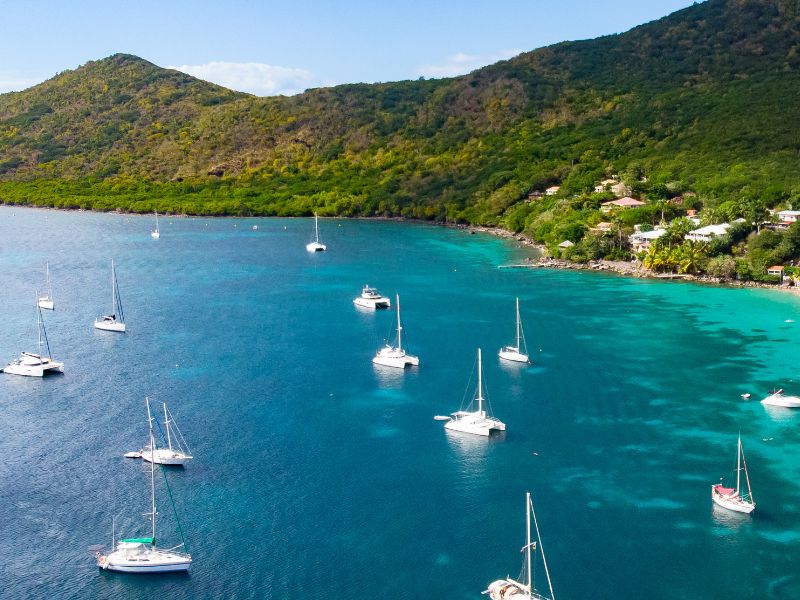
Martinique
In March, sailing in Martinique is very attractive; warm, sunny days, gentle trade winds and French-Caribbean culture. The dry season provides calm seas and perfect sailing conditions, while the island’s lush vegetation and vibrant festivals add a unique atmosphere to the trip. Martinique in March offers a great opportunity for both relaxation and adventure, while exploring the local culture and natural beauty can also be an experience. Tip:If your visit coincides with the beginning of March, you can take part in the Martinique Carnival. It is a lively festival with colorful parades, music and dance. It is one of the best and most unique cultural events in the Caribbean. yacht charter Martinique
Weather:The temperature is 26-29°C during the day, 20-22°C at night. There is a low chance of rain, March is one of the driest months. On average, you can expect minimal rainfall. With 8-9 hours of sunshine per day and clear skies, all conditions are in place for sailing and outdoor activities. Winds are 15-20 knots (E-NE), with a steady breeze providing ideal sailing conditions.
Grenada
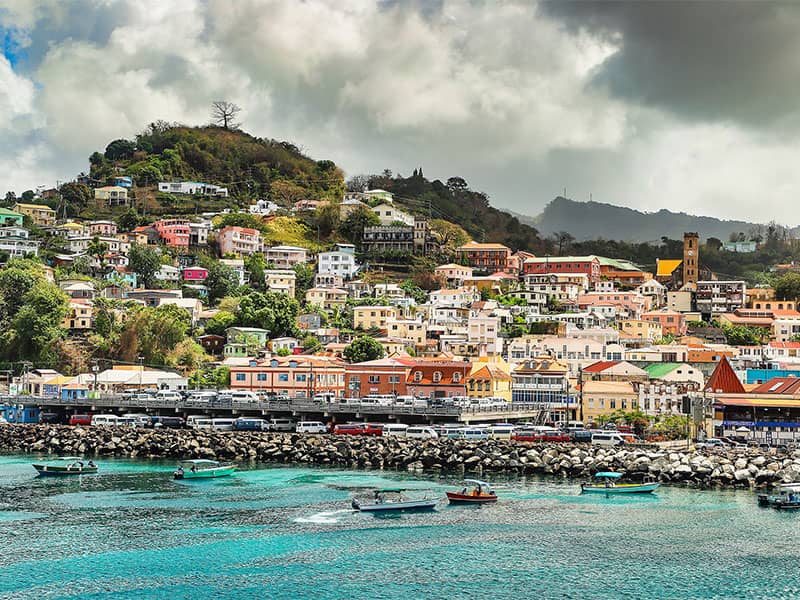
Warm sunny days and a laid-back Caribbean vibe make this Grenada sailing trip in March. Part of the dry season, March offers calm seas and perfect sailing conditions. With stunning beaches, vibrant coral reefs and the famous Grenada Chocolate Festival, March is the ideal time to explore the “Spice Island” by yacht. Tip: The Grenada Chocolate Festival can be an ideal program for those interested in chocolate and local culture. Visitors can enjoy chocolate tastings and plantation tours, where they can learn how cocoa is transformed into delicious treats. The festival also offers lively cultural events, including music, dance and local cuisine, making for a sweet and immersive experience. Recommended level: Intermediate-advanced Open sea sections: yes (between channels). Grenada boat rental
Weather: Temperatures are 28-30°C during the day, 22-24°C at night – pleasant. Low rainfall, March is part of the dry season, so you can expect mostly sunny, clear days. Moderate humidity of 70-75%, making the weather pleasant with the cooling effect of the trade winds. Constant trade winds blow from the east-northeast at around 15-20 knots, providing great sailing conditions all day long.
St. Lucia
The clear skies and calm seas of March provide excellent conditions for exploring St. Lucia’s stunning coastline, lush landscapes and vibrant marine life. March is also outside of hurricane season, ensuring a carefree sailing experience. With the iconic Pitons, vibrant coral reefs and vibrant cultural events, St. Lucia is a wonderful destination for sailors looking for relaxation and adventure. Recommended level: Intermediate-advanced Open sea sections: yes (between channels).sailing in St. Lucia, St.Lucia yacht charter
Weather: Daytime temperatures: 28-30°C – warm and tropical, perfect for sailing and outdoor activities. Nighttime temperatures: 22-24°C – pleasant and cool evenings can be expected. There is little rainfall, as March is part of the dry season, so the chance of rain is minimal, and we can expect mostly sunny days. Moderate humidity around 70-75%, which is a pleasant feeling due to the constant trade winds. Steady winds from the east-northeast at a speed of around 15-20 knots provide great sailing opportunities.
Central America
Sailing in Central America in March offers a unique and unforgettable sailing experience. You can enjoy the full beauty of the dry season with calm seas, steady winds and long sunny days, perfect for exploring the rainforests of Costa Rica or the San Blas Islands in Panama, for example.
Belize
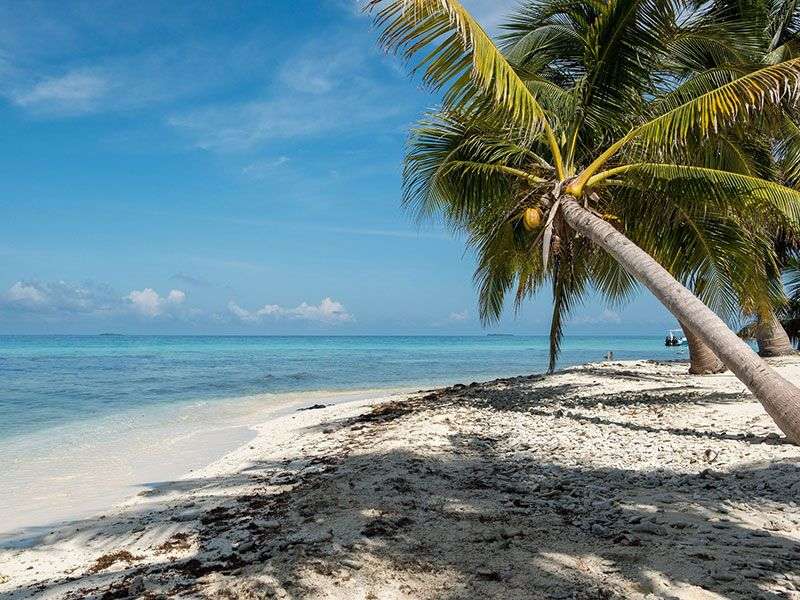
Sailing in Belize in March is a real experience, as the weather is pleasantly warm, there is little rain and the winds are ideal for sailing. The crystal clear waters of the Caribbean Sea hide stunning coral reefs and rich marine life. At this time, the hustle and bustle of the high season has subsided, allowing you to relax and unwind. Tip: This is also the time of year for the San Pedro Lobsterfest and Baron Bliss Day, where locals celebrate with colorful festivals, boat races, and traditional food. From the spring, there is a chance of seeing whale sharks in certain periods – it is worth checking locally about the current season – so if you are lucky, you may even swim with these huge but peaceful giants! Reef-protected waters, short sections, outstanding snorkel/diving experience Recommended level: beginner, intermediate Open sea sections: no. yacht charter Belize
Weather:The temperature is 27-30 °C during the day, 20-23 °C at night. Precipitation is minimal, as we are still in the dry season. Humidity is moderate, more pleasant than in the summer months. On average, you can expect 8-10 hours of sunshine per day. The wind direction is northeast, with a wind speed of usually 15-20 knots (28-20.0 nm/h), which is ideal for sailing.
Panama
Sailing in Panama in March is an excellent opportunity to explore the world of endless possibilities. The dry season brings clear skies and light winds. Visit the San Blas Islands, where turquoise waters meet beautiful beaches. It’s time to dive into vibrant coral reefs, connect with indigenous cultures, and experience the raw beauty of Panama’s coastlines-all while enjoying the tranquility of the open sea. Tip: This is the time (typically around February-early March, check the exact date) to experience the Panama City Carnival, which attracts visitors with spectacular street parades, music, and colorful festivals. Whale-watching season begins in March on the Pacific coast, so you might even spot dolphins and whales while sailing on the open water. Recommended level: intermediate, advanced Open sea sections: yes. yacht charter Panama
Weather: The temperature is 28-32°C during the day, 22-26°C at night. Precipitation is minimal, as the dry season is still ongoing. Humidity is lower than in the rainy months, but still tropical. On average, you can expect 8-10 hours of sunshine per day. The wind direction in the Caribbean is east-northeast trade winds (15-25 knots), variable winds in the Pacific Ocean, with an average wind speed of 15-20 knots (28-20.0 nm/h), which is ideal for sailing.
Seychelles
A cruise to the Seychelles in March is a good choice for intermediate sailors. The weather is warm and tropical, with calm seas and gentle breezes, however, periodic rains can occur, especially due to the local microclimate of the tropical archipelago. March is also a great time for snorkeling and diving, as the water quality is excellent, and you can encounter vibrant coral reefs, sea turtles and breathtaking wildlife. Tip: Although the exact dates can vary, the Seychelles Carnival often takes place in March. This is one of the Seychelles’ biggest cultural events, featuring colorful parades, music, traditional dance and performances. The carnival is held on the island of Mahé, and if your sailing trip allows, you should definitely not miss this spectacular carnival. Not a “beginner-friendly tropical paradise”, but a technical but enjoyable area. With short but open sections between islands.Recommended level: Intermediate-advanced Open sea sections: partially. Seychelles boat rental
Weather:March is towards the end of the summer rainy season in the Seychelles, so the weather can be hot and changeable. Daytime temperatures range from 28-32°C, while nights are milder, around 24-26°C. The amount of rain varies, but is typically short showers that quickly pass. The wind is light, ranging from 10-20 knots (18-20.0 nm/h), not too strong. which is ideal for comfortable sailing. The waters are relatively calm, although small waves can occur, especially in the open sea.
French Polynesia
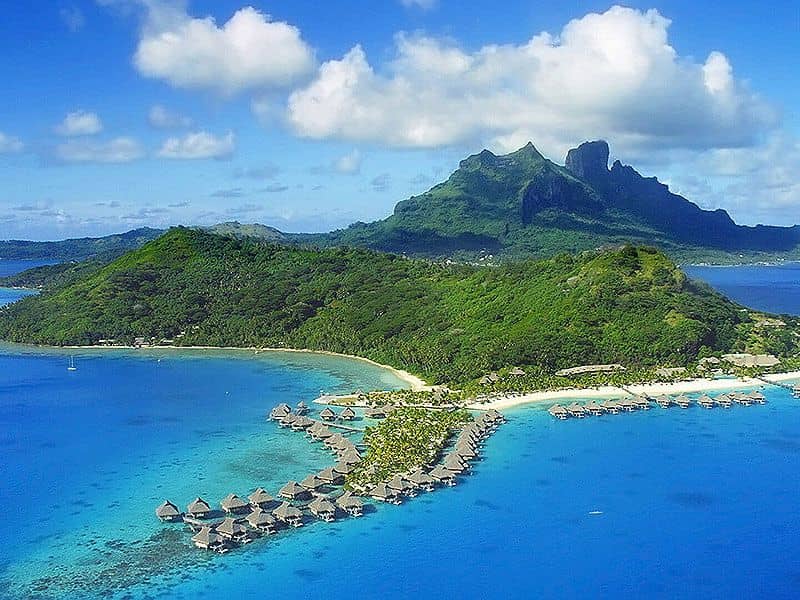
Sailing in French Polynesia in March is an invitation to paradise, with warm tropical weather, calm seas and fascinating marine life. This end of the wet season, which means lush, green landscapes, is perfect for exploring iconic destinations like Bora Bora, Tahiti and the Tuamotu atolls. March offers excellent conditions for diving and spotting sharks and rays while sailing. Tip:Although the big ones are not held in March, you can still find smaller local events such as traditional dance performances, and many resorts and villages host cultural shows featuring Polynesian dance and music. Visit the local markets where you can buy handmade crafts, black beads and traditional Polynesian products as souvenirs.This is not a ‘luxury lagoon vacation’, but ocean sailing requiring independent decision-making, with strong currents, 50+ nm crossings between atolls, and limited rescue infrastructure. Often calm in lagoons, but suitable for advanced divers due to currents/limited assistance in atoll passages and crossings. Recommended level: Advanced Open sea sections: yes. yacht charter French Polynesia
Weather:March in French Polynesia enjoys warm tropical weather, with average temperatures ranging from 25°C to 30°C. This is the end of the rainy season, so while short showers are common, they are usually short-lived and often occur in the evening, leaving plenty of clear, sunny days for sailing. Humidity can be higher, but a pleasant breeze helps to create conditions for sailing. During this time, moderate winds of 10-20 knots prevail, making it ideal for inter-island cruising. Seas are generally calm, especially in the lagoons.
Canary Islands (Spain)
In March, the Canary Islands generally have mild temperatures and balanced winds, although there can be slight changes in the weather from time to time. The diverse landscapes of the islands, from volcanic peaks to golden beaches, provide a unique backdrop for your sailing adventures. March is a quieter month, allowing for a more relaxed and peaceful experience, away from the crowds of the high season. Tip: March coincides with the famous carnival season in the Canary Islands, especially in Tenerife. The Santa Cruz Carnival is one of the largest and most vibrant celebrations in the world. The streets come alive with colorful parades, music, dancing and traditional costumes. Recommended level: Intermediate-advanced Open sea sections: partially. boat rentals Canary islands
Weather: In March, the Canary Islands enjoy mild and pleasant weather, with average temperatures ranging from 18°C at night to 22°C during the day, with occasional warm spells on the southern coasts. Winds are consistent in March, providing consistent sailing conditions. Winds are generally moderate, ranging from 10 to 20 knots, which is ideal. March is part of the transition period between the wetter winter months and the drier summer, so light showers can occur from time to time, but these are usually short-lived and should not interfere with sailing.
How to choose?
March is a great month for sailing – but only if you choose waters that are suitable for your experience. “Good weather” alone is not a deciding factor: wind, distance and the number of shelters are the real difference.
- If this is your first time sailing in tropical waters: Bahamas, Belize for short legs (minimum open sea exposure) and good visibility
- If you are already experienced but want an experience-oriented trip: More challenging navigation and rich natural and cultural experiences: Martinique (Caribbean crossings), Seychelles
- If you have real ocean experience and are looking for adventure: Long open sea sections, but minimal room for error (long open sea sections) French Polynesia
Sailing in March: itineraries
HELP ME TO CHOOSEBahama Sailing Itinerary
Day 1: Harbour Island – Spanish Wells (10.2 nm – Sailing time*: about 2 hours), Day 2: Spanish Wells – Governor’s Harbour (41.6 nm – Sailing time*: about 6.5 hours), Day 3: Governor’s Harbour – Cape Eleuthera (21.9 nm – Sailing time*: about 3.5 hours), Day 4: Cape Eleuthera – Highbourne Cay (26.8 nm – Sailing time*: about 4.5 hours), Day 5: Highbourne Cay – Nassau (33.1 nm – Sailing time*: about 5.5 hours), Day 6: Nassau – Egg Island (33.6 nm – Sailing time*: about 5.5 hours), Day 7: Egg Island – Royal Island – Harbour Island (17.6 nm – Sailing time*: about 3 hours)
* – an average 43 ft sailing yacht, with average weather conditions, sails around 6-7 knots per hour.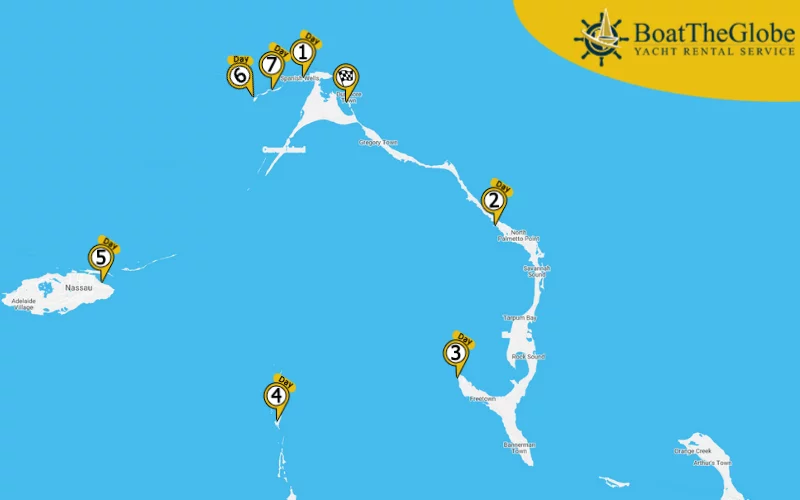
Martinique Sailing Itinerary
With stronger wind channels, 40-70 nm of open water towards Dominica, these channels have fast currents, katabatic winds, sudden wave buildup, and little shelter. Recommended level: intermediate, advanced Open sea sections: yes.
Day 1: Le Marin – Grande Anse d'Arlet (16.3 nm – Sailing time*: about 3 hours), Day 2: Grande Anse d'Arlet – Saint-Pierre (15.8 nm – Sailing time*: about 2.5 hours), Day 3: Saint-Pierre – Roseau, Dominica (36.2 nm – Sailing time*: about 6 hours), Day 4: Roseau, Dominica – Portsmouth, Dominica (17.1 nm – Sailing time*: about 3 hours), Day 5: Portsmouth, Dominica – Wavine Cyrique Falls (30.3 nm – Sailing time*: about 5 hours), Day 6: Wavine Cyrique Falls – L'Œil Bleu (60.9 nm – Sailing time*: about 9.5 hours), Day 7: L'Œil Bleu – Plage des Salines – Le Marin (11.8 nm – Sailing time*: about 2 hours)
* – an average 43 ft sailing yacht, with average weather conditions, sails around 6-7 knots per hour.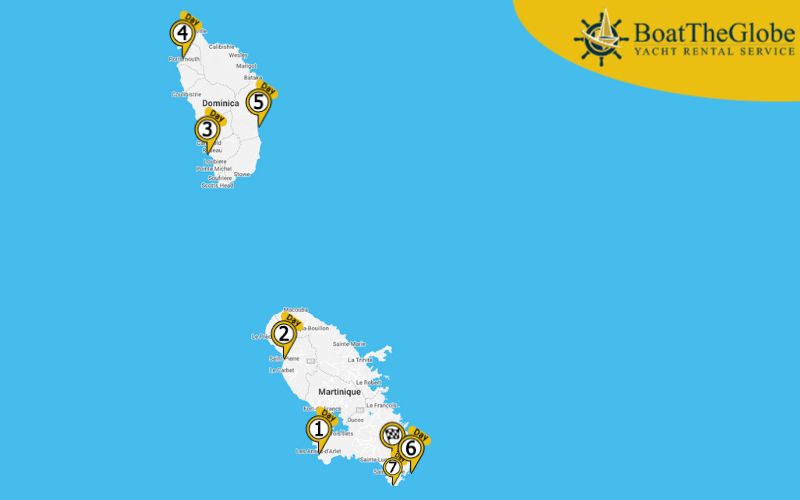
Belize Sailing Itinerary
Day 1: Placencia harbour – Whipray Caye (8.2 nm – Sailing time*: about 1.5 hours), Day 2: Whipray Caye – Hideaway Caye (8.2 nm – Sailing time*: about 1.5 hours), Day 3: Hideaway Caye – South Water Caye (10.1 nm – Sailing time*: about 2 hours), Day 4: South Water Caye – Thatch Caye (4.1 nm – Sailing time*: about 1 hour), Day 5: Thatch Caye – Lagoon Caye (15.2 nm – Sailing time*: about 2.5 hours), Day 6: Lagoon Caye – Hatchet Caye (8.2 nm – Sailing time*: about 1.5 hours), Day 7: Hatchet Caye – Lark Caye – Placencia harbour (11.8 nm – Sailing time*: about 2 hours)
* – an average 43 ft sailing yacht, with average weather conditions, sails around 6-7 knots per hour.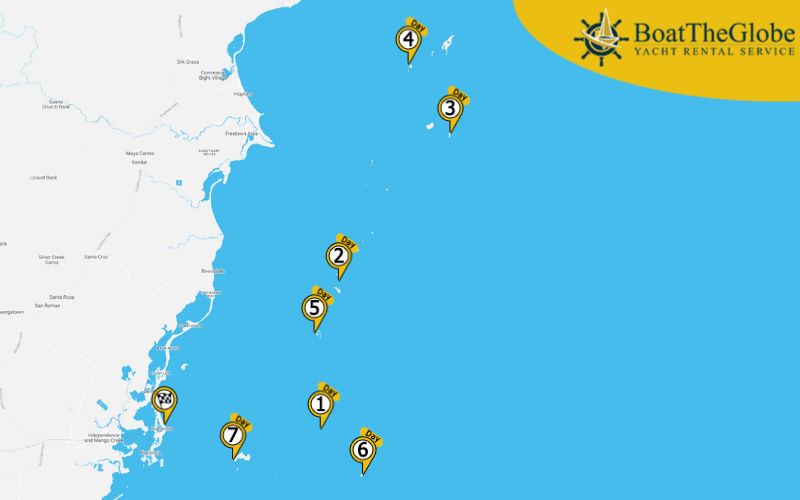
Seychelles Sailing Itinerary
Day 1: Seychelles – Praslin Island (23.6 nm – Sailing time*: about 4 hours), Day 2: Praslin Island – La Digue Island (4.4 nm – Sailing time*: about 1 hour), Day 3: La Digue Island – Curieuse Island (7.2 nm – Sailing time*: about 1.5 hours), Day 4: Curieuse Island – Saint Pierre Island (2.1 nm – Sailing time*: about 30 minutes), Day 5: Saint Pierre Island – Aride Island (6.9 nm – Sailing time*: about 1.5 hours), Day 6: Aride Island – Cousin Island (6.7 nm – Sailing time*: about 1.5 hours), Day 7: Cousin Island – Sainte Anne Island – Seychelles (22.6 nm – Sailing time*: about 3.5 hours)
* – an average 43 ft sailing yacht, with average weather conditions, sails around 6-7 knots per hour.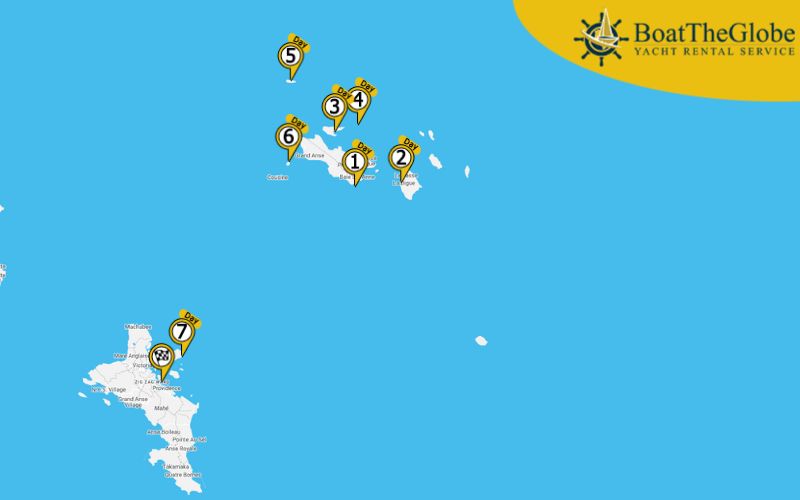
French Polynesia Sailing Itinerary
Day 1: Tuamotu Rangiroa – Motu Tereia, Blue Lagoon (16.2 nm – Sailing time*: about 2.5 hours), Day 2: Motu Tereia, Blue Lagoon – Makatea (47.9 nm – Sailing time*: about 7.5 hours), Day 3: Makatea – Tikehau (42.1 nm – Sailing time*: about 6.5 hours), Day 4: Tikehau – Le Tikehau (2.2 nm – Sailing time*: about 30 minutes), Day 5: Le Tikehau – Hakumanu Lodge (5.4 nm – Sailing time*: about 1 hour), Day 6: Hakumanu Lodge – Eden Point (4.9 nm – Sailing time*: about 1 hour), Day 7: Eden Point – Motu Mahuta – Tuamotu Rangiroa (21.3 nm – Sailing time*: about 3.5 hours)
* – an average 43 ft sailing yacht, with average weather conditions, sails around 6-7 knots per hour.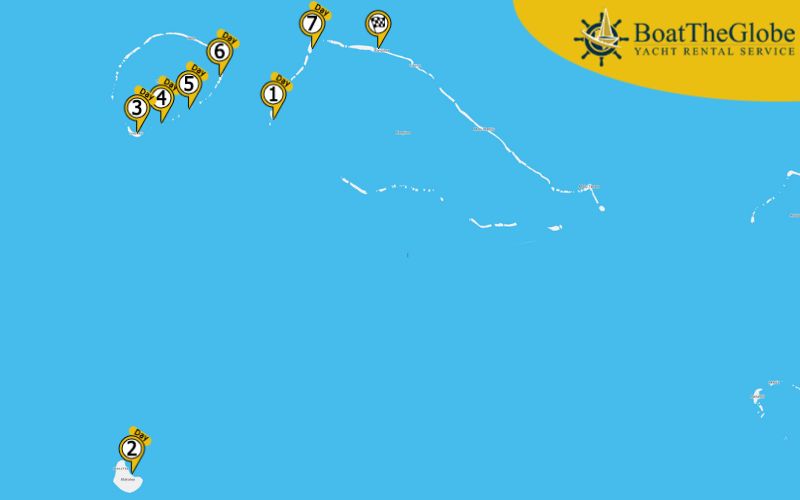
Sailing in March FAQ
Which region is the safest choice for sailing in March?
Generally, tropical and subtropical areas (e.g. Bahamas, Belize, parts of the Caribbean) offer more stable weather, while in many places in Europe the season is even more uncertain.
Where should I go in March as a beginner?
For beginners, places that offer short stages and more sheltered waters are good, such as routes behind the Belize barrier reef or shorter, near-shore sections in the Bahamas (long open crossings only in a good time window/with a skip).
What makes a March route “advanced”?
Due to long open sea sections, rare shelters, strong currents (e.g. atoll passages), fast-building swells and limited rescue/infrastructure.
In March, the Hurricane season in the Caribbean?
March is typically outside of hurricane season, but cold fronts and windier periods can still occur, so time window planning is important.
Are the waters in the Bahamas really always calm in March?
Often favorable, but due to shallow waters, tides, and some longer open crossings, “always calm” is an exaggeration; beginners should plan with shorter stages.
Why is Belize good in March?
The waters behind the reef are often protected, the snorkeling/diving experience is outstanding, and the crowds may decrease towards the end of the season – however, precise navigation is required due to the shallow parts.
Seychelles or Canary Islands: which is more “technical”?
Seychelles often offers shorter, but open sections with more variable weather, while the Canary Islands have an oceanic character, wind and waves can be stronger – both are more comfortable for intermediates.
Why is French Polynesia not “just a luxury lagoon”?
It can be calm in a lagoon, but due to the crossings between atolls and the currents of the passages, as well as the long distances, planning and independence require an advanced level.
What are the advantages of March compared to the peak season?
In many places, there are fewer crowds and sometimes more favorable prices, but there are more “transitional” weather day, so a flexible route and plan B are key.
What are the 3 things I should look for before every March trip?
Realistic daily distances (adjusted for level), density of shelters (where you can set up), and local wind/current characteristics (e.g. channels, passages).
Say goodbye to time-consuming organization and dealing with local regulations – we will find the most ideal boat for you. Request a quote and book a yacht: fill out our form below today and set off on an unforgettable sailing adventure in march!
