


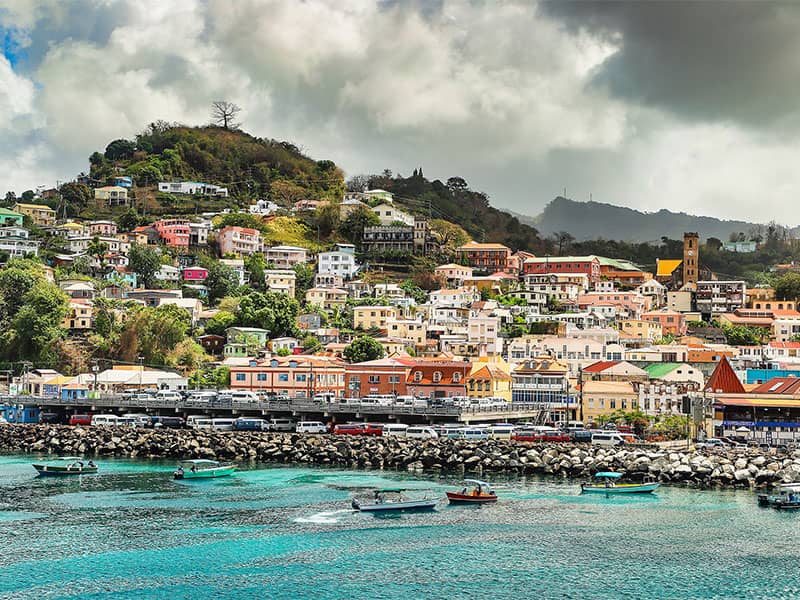
Is Grenada good for sailing? Thinking about starting your Caribbean sailing trip from here? Grenada is one of the most versatile sailing destinations in the Caribbean. Its calm, sheltered waters make it ideal for a first Caribbean cruise, while its geographical location allows experienced sailors to incorporate longer, more open-water sections into their journeys. This guide will help you navigate: which route is right for whom, where the real challenge begins, and when which direction is the best choice – safely, experience-oriented, and with an informed decision.
Here’s what the article will cover:
- 5 reasons why the Grenada is good for sailing?
- What is the best month to sail Grenada?
- How can you get to the Grenada from abroad?
- Where can you sail to from the Grenada? – ports and islands
- Sailing in Grenada – itineraries
5 reasons why the Grenada are good for sailing?
- Calm and crystal-clear waters
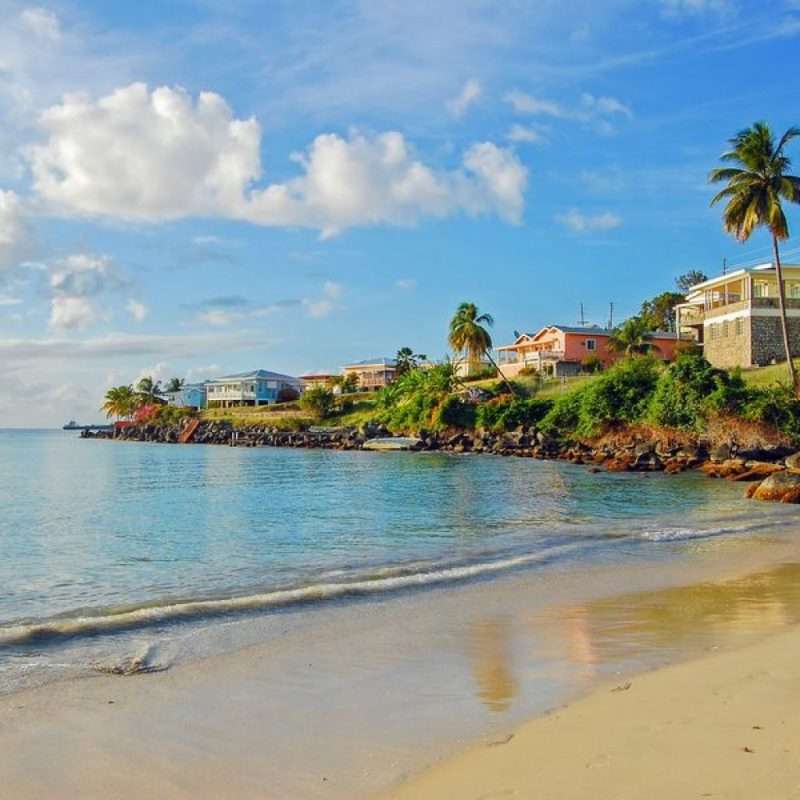
The waters around Grenada are ideal for relaxation due to their crystal clear condition and calm currents. Their transparency almost tempts you to snorkel or dive, and the best thing is that you can experience it all right from the boat. If you’re just starting out in sailing, don’t panic: thanks to the gentle waves, spending time on the water is not stressful, but rather liberating. For example, I can just float by the anchor for hours and watch the sun’s rays dance in the water. - Reliable trade winds
The winds provide ideal sailing conditions almost all year round. Their speed of 12-20 knots is stable and predictable, so sailing is not only smooth but also enjoyable. Are you looking for a calm cruise? Or are you looking for a bit of momentum and excitement? Grenada can provide both. I especially love when you glide on the water in the sunset light and the wind caresses you from all directions – that’s when you really feel that sailing is freedom. - Wonderful moorings and bays
Every bay, every anchorage tells a different story. There are places where you can be completely alone in nature, where you can only hear the soft lapping of the waves. And there are places where the sounds of restaurants, bars and local music bring the coast to life. This variety is what makes Grenada so exciting: every mooring is the beginning of a new adventure, and you can always find a safe, comfortable place for your boat. Rent a boat in Grenada and enjoy complete tranquility as you glide from one beautiful bay to another. - Variety of islands to explore
Sailing between Grenada, Carriacou and Petite Martinique is like stepping into a different fairy tale every day. One island entices you with its pristine beaches and lush vegetation, while another impresses you with its colourful towns and local culture. Every day, there are new sights, new tastes, new discoveries. This variety makes exploring the island unforgettable: every port is a new experience, every wave a new story. - Rich marine life and snorkeling opportunities
Under the waters, the Caribbean Sea hides a real cavalcade of colours: corals, schools of fish, small wonders everywhere. Just anchor and jump into the water – snorkelling here is not just a sport, but an adventure into a whole new world. For me, these moments are the essence of sailing in Grenada: diving from the boat into tropical water and almost literally encountering marine life – there is no better way to relax and be excited at the same time. Grenada boat rental
What is the best month to sail Grenada?
What is the best month to sail Grenada?
If you’re after steady winds, plenty of sunshine, and seas that don’t give you any surprises, December through May is the sweet spot. To keep it simple: winter and spring are the sailor’s favorites.
Winter (December – February)
Many sailors choose this period for its pleasant temperatures and stable winds. The temperature is comfortable, ranging around 26-29°C, with the sun often shining brightly in a clear sky. The trade winds blow between 12-20 knots, providing excellent sailing conditions. Rain is rare, allowing you to enjoy crystal-clear waters and calm coves all day-truly a dream for sailing enthusiasts.
Spring (March – May)
Spring doesn’t fall behind. It’s a touch warmer, 27-30°C, but the winds are still reliable and smooth. Sure, you might get caught in a quick shower here and there – but blink and it’s over. Honestly, sometimes it feels more like a warm rinse than bad weather. If you like calm waters and don’t want to worry about tricky winds, spring sailing in Grenada is as good as it gets.
Summer (June – August)
Now, summer is a different vibe. Hotter, livelier, with that full-on Caribbean energy. The thermometer sits around 28-31°C, and the trade winds calm down a little, hovering between 10-18 knots. It’s also when the rainy season kicks in, so you’ll get sudden heavy showers or the odd thunderstorm. But here’s the thing: they pass quickly, and often leave behind the most incredible light and fresh air. It feels dramatic in the best way.
Autumn (September – November)
Autumn is the wildcard. More rain, winds that sometimes keep you guessing, but still those warm 27-30°C days. Sailing can be a bit more challenging, true, but you also get something special: peace and quiet. Fewer boats, less bustle. Anchor in a quiet bay, listen to the rain hit the water, and you’ll see why some sailors actually love this season. It’s Grenada at its most raw – and that can be unforgettable.
How can you get to Grenada from abroad?
Getting to Grenada is relatively easy, although it depends on where you’re coming from. Here are the details:
- Main airport: Maurice Bishop International Airport (GND), just outside the capital, St. George’s.
- From the United States: Direct flights depart from Miami, New York (JFK) and Atlanta, usually operated by American Airlines and other Caribbean airlines. Most other U.S. departures require a connection at a Caribbean hub (such as Barbados, Antigua or Trinidad).
- From Europe: Most European flights arrive with a connection, often via Barbados or Antigua. For example, British Airways and KLM offer combined tickets with transfers.
- From other Caribbean islands: Regional airlines such as LIAT, Caribbean Airlines or Winair fly regularly to Grenada.
Where can you sail to from Grenada? – ports and islands
St. George’s
St. George’s, the capital of Grenada, feels like a vibrant painting coming to life before your eyes. The bustling harbor, colorful houses, and narrow streets invite exploration at every turn. Visit the local markets to experience the rhythm of Grenadian life and try fresh seafood at the nearby restaurants. The marina is well-equipped for sailors, and setting off from here gives you the feeling that the world’s seas are at your fingertips. For charter crews, St. George’s is perfect for provisioning, fuel stops, and enjoying a lively evening on shore.
Port Louis Marina
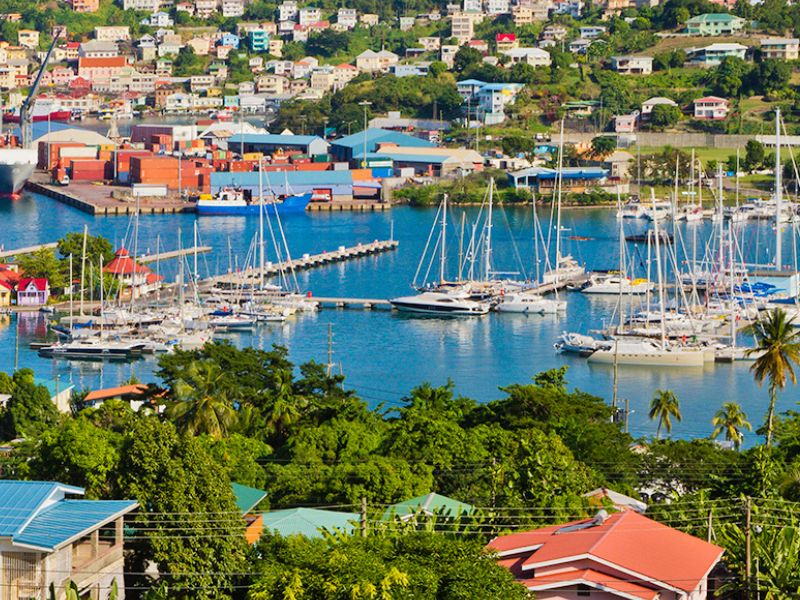
Port Louis Marina, tucked away on Grenada’s west coast, is a peaceful harbor oasis. Relax on deck with a drink at sunset or take a gentle stroll along the shore. From here, short sails can take you north or south to explore hidden coves and nearby islands. The calm pace here makes it ideal for sailors seeking a mix of relaxation and adventure. For charter guests, the marina offers easy access to local shops and comfortable berths, making it an excellent base for multi-day island hopping.
Grenville
Grenville offers the tranquility of Grenada’s east coast, rarely visited by tourists. The small, secure marina and authentic coastal villages make it feel like stepping back in time. Anchoring here provides a slower pace, with opportunities to engage with locals and enjoy quiet waters. For sailors and charter guests, Grenville is ideal for experiencing authentic island life, quiet overnight stays, and peaceful morning sails.
Carriacou
Just 30 nautical miles northeast of Grenada, Carriacou is the ultimate island exploration destination. Rolling hills, sandy beaches, and welcoming villages make every visit a new adventure. Hillsborough Harbor provides a convenient and secure anchorage, and the surrounding smaller bays are easily reachable by dinghy. For charter crews, Carriacou offers opportunities for snorkeling, beach picnics, and fully immersing in the Caribbean island lifestyle.
Petite Martinique
A short 10-nautical-mile sail from Carriacou brings you to Petite Martinique. This small island is full of charm, with calm, shallow waters ideal for relaxing at anchor. Local shops and friendly residents create a welcoming atmosphere for sailors. For charter guests, Petite Martinique is perfect for quiet overnight stops, exploring untouched beaches, and enjoying an authentic Caribbean experience off the main tourist path.
Sandy Island
Sandy Island is like a private jewel in the Caribbean. Turquoise waters and white sandy beaches make it a paradise for snorkeling and relaxing. Anchoring here feels like discovering a hidden treasure, with calm surroundings, warm sun, and gentle waves. For sailors, Sandy Island is an ideal half-day stop to swim, snorkel, or simply enjoy a peaceful beach picnic.
Levera Bay
On Grenada’s northern coast, Levera Bay offers protected waters perfect for anchoring, surrounded by exotic wildlife and stunning scenery. Explore the nearby Levera National Park and feel like you’ve discovered one of the Caribbean’s most secret corners. For charter crews, Levera Bay is an excellent choice for a scenic overnight stay or a quiet stop before continuing your island-hopping adventure.
Sailing in Grenada – itineraries
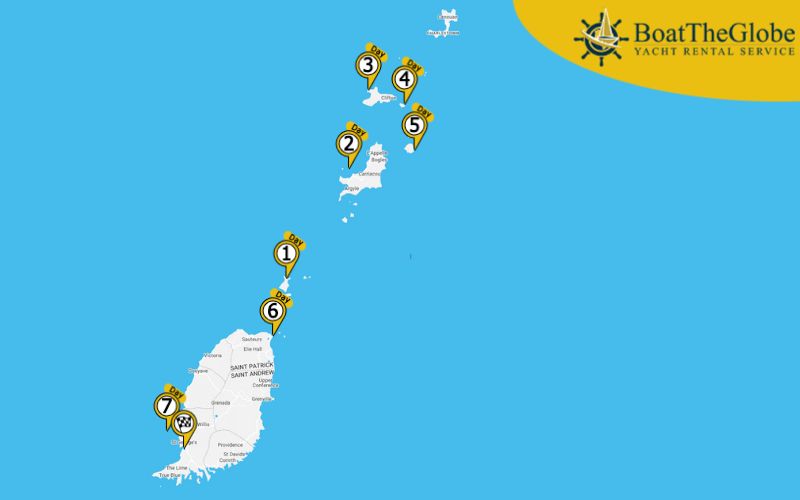
7-day Grenada sailing itinerary
Short sections, sheltered anchorages, visual navigation. strong>Recommended levelRecommended level: Beginner, intermediate-advanced Open sea sections: no.
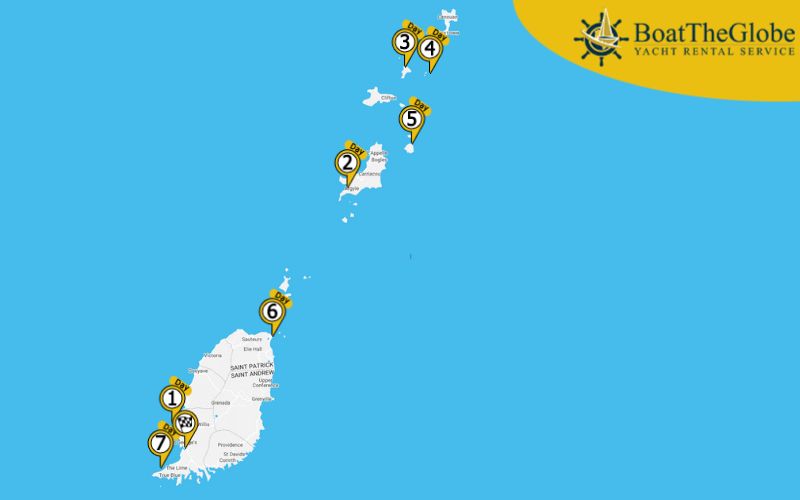
Day 1: Grenada – Dragon Bay
2.7 nm, sailing time: 1 hour The first day is short, but all the sweeter: rolling out of Grenada harbor, we soon arrive in the tranquility of Dragon Bay. The water is crystal clear, the shore is lined with lush tropical plants – you can almost hear the leaves rustling in the wind. This is the perfect place for your first swim, or simply enjoy the sunset on board, while the scent of the sea pampers your nose.
Day 2: Dragon Bay – Tyrell Bay
28.1 nm, sailing time: 5 hours Today we head towards Carriacou, the port of Tyrell Bay, where you will immediately notice the friendly smiles of the locals. The village is famous for its traditional boat building – if you are lucky, you can see craftsmen shaping yachts from wood almost with magic. Don’t miss the fresh fish dishes, the perfect harmony of simplicity and flavors awaits you in the local restaurants.
3. Day 4: Tyrell Bay – Salt Whistle Bay
13.0 nm, sailing time: 2 hours Salt Whistle Bay on Mayreau Island is like stepping into a tropical postcard: snow-white sand, palm trees, and a turquoise lagoon that shimmers like a mirror. Here you can swim, snorkel, or just lie on the beach and watch the sun set over the horizon in fiery red. And the local restaurants serve Creole dishes that are both simple and charming – don’t miss the curry mussels!
Day 4: Salt Whistle Bay – Tobago Cays
4.9 nm, sailing time: 1 hour The Tobago Cays are a real treasure trove: a protected marine park where the colorful world of coral reefs unfolds before you. If you’re lucky, you can swim with turtles while all the little wonders of underwater life await you to explore. These small islands are so untouched and almost magical that you’d think that the noise of everyday life really doesn’t reach them.
Day 5: Tobago Cays – Petite Martinique
7.0 nm, sailing time: 1 hour Petite Martinique is small but charming and immediately captivates you. You can get a glimpse into the lives of local fishermen, the village streets are quiet but full of little surprises – artisanal products, a fresh fish market, and friendly smiles. Get on a kayak and explore the surrounding waters: tranquility is guaranteed here, and you’ll truly forget the noise of the world.
6. Day 1: Petite Martinique – Bedford Point
22.1 nm, sailing time: 4 hours Bedford Point is located on the northern tip of Grenada, and the view is stunning: mountains, tropical forests, and that certain feeling of “everything is fine here.” Short hikes, diving, or exploring historical attractions – such as the remains of old plantations – guarantee that you won’t be bored. Nature surrounds you, and you feel small and liberated at the same time.
Day 7: Bedford Point – Grenada
27.0 nm, sailing time: 5 hours On the last day we head back to Grenada, but before that we stop at Magazine Beach. The sand shines with a golden glow and the water is so inviting that it’s almost a shame to miss a last swim. Upon arrival at the port of Grenada, stroll through the city, sample the wares of the spice markets, and let the scents and flavors of the island stay with you for a long time.
Grenada sailing route
Short sections, sheltered anchorages, visual navigation. Recommended level: Beginner, intermediate-advanced Open sea sections: no.
Day 1: Grenada – Ronde Island (18.6 nm – Sailing time*: about 3 hours), Day 2: Ronde Island – Sandy Island (11.8 nm – Sailing time*: about 2 hours), Day 3: Sandy Island – Union Island (7.3 nm – Sailing time*: about 1.5 hours), Day 4: Union Island – Palm Island (1.8 nm – Sailing time*: about 30 minutes), Day 5: Palm Island – Petite Martinique (3.8 nm – Sailing time*: about 1 hour), Day 6: Petite Martinique – Bedford Point (22.2 nm – Sailing time*: about 3.5 hours), Day 7: Bedford Point – Dragon Bay – Grenada (17.5 nm – Sailing time*: about 3 hours)
* – an average 43 ft sailing yacht, with average weather conditions, sails around 6-7 knots per hour.
How to choose?
A good Caribbean itinerary will be memorable not because of the number of kilometers, but because it fits your skills and the season.
Grenada awaits, the sea calls, and we’ll take care of every little thing: the yacht is found, the insurance is arranged, the taxi is waiting for you. Request a quote, fill out the form below, and head to the sunny bays – an unforgettable experience guaranteed!
