


Are you planning a sailing trip in Thailand? Thailand shows a completely different face to sailors. It is not just an exotic destination, but an extremely diverse sailing terrain, where beginners and experienced sailors alike can find their rhythm. The sheltered bays of the Andaman Sea, lagoons lined with limestone cliffs and the open waters of the Gulf of Thailand offer completely different experiences on the coast of the same country. This article will help you not only dream about Thailand, but also choose a route well. We will show you when the weather is ideal, which regions are for whom, where you can expect calm, short daily distances, and where you have to seriously consider currents and open sea sections. The 7-day itineraries presented here are not all the same – and that’s just as well. Whether you are preparing for your first tropical sailing trip or looking for a new, more exciting terrain after the Mediterranean, Thailand could be the next big step. The question is not whether it’s worth it – it’s which route is right for you. This article will help you navigate that.
Here’s what the article will cover:
- 7 reasons why sailing in Thailand is a good choice
- Which month is best for a sailing trip in Thailand?
- How do I get to Thailand?
- Where to sail in Thailand? – Ports and Islands
- Sailing in Thailand: Sailing Itineraries
7 reasons why sailing in Thailand is a good choice
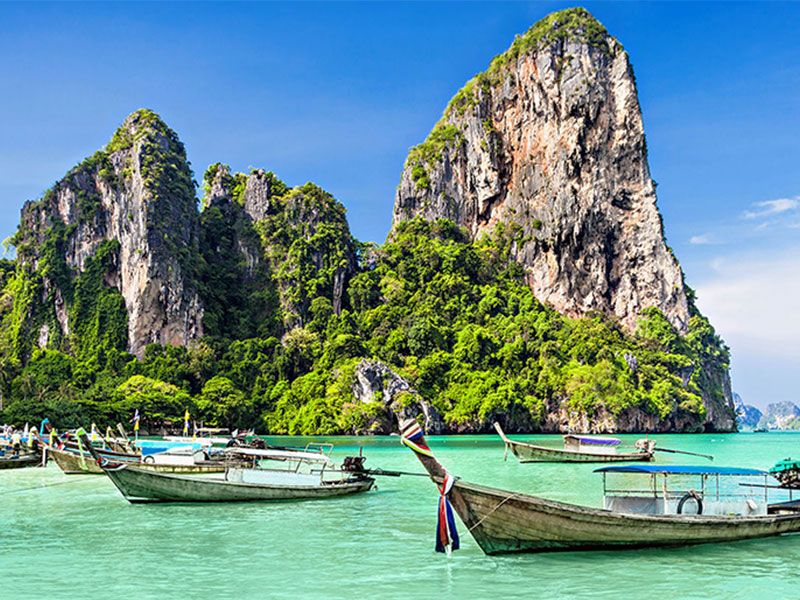
- Humid, turquoise waters There’s something magical about the way the waters around Thailand sparkle – sometimes you’ll feel like you’re sailing in an aquarium. The Andaman Sea is mostly calm, warm and incredibly clear. Once you’re anchored in a secluded bay, you’ll forget about time. Plus, if you’re into snorkeling or scuba diving, the coral reefs and sponge fish are guaranteed to leave you speechless.
- Favourable monsoon winds: During the dry season, almost any day is perfect for sailing. During the dry season, wind and weather are generally more stable, but it is always worth keeping an eye out for short, local showers/squalls – by checking the weather and radar daily. Even if you are a beginner, you can safely get on the water, but if you are an experienced motorcyclist, every day on board will be an experience.
- Secluded islands and secret beaches: There are secluded coves and iconic stops (plan ahead due to visitor restrictions and buoy regulations); Maya Bay, Railay Beach – just to name a few. Best of all, most of these are difficult or impossible to reach by land, but easy to reach by boat.And there is nothing better than feeling like you have the entire stretch of coast to yourself.
- The Phi Phi Islands: The Phi Phi Islands are like the most beautiful part of Thailand strung together on a string of pearls. Limestone cliffs that fall into the sea, sand that even posters envy, and water that is so clear that it is suspicious. It’s just a short boat ride away – but a huge leap in terms of experience.
- Modern marinas, natural anchorages: The well-maintained Thai yacht clubs are not just marinas, but rather “sailing service stations” of sorts: most boat services are available. If you don’t want a marina, there are sheltered bays where you can easily anchor while the firefly fish light up in the water. Rent a boat in Thailand and let the country’s hidden coves and crystal-clear waters enchant you – stress-free, at your own pace.
- A vibrant coastal culture: In Thailand, the waterfront is not just about sailing. It’s simply alive. Floating shacks, Thai massage parlors, traditional fishing boats and street performers – life is buzzing everywhere. If you love local flavors or just want to sit down with a fresh coconut milk while the waves lapping in the background, this is the place for you.
- Breathtaking sunsets from the ocean: One thing you definitely shouldn’t miss is watching the sunset from the deck. When the sun sets behind the limestone cliffs of Phang Nga Bay and the sea slowly turns orange-red, it’s a sight you’ll never forget. It’s impossible to put into words – you have to see it. At least once in your life.
Which month is best for a sailing trip in Thailand?
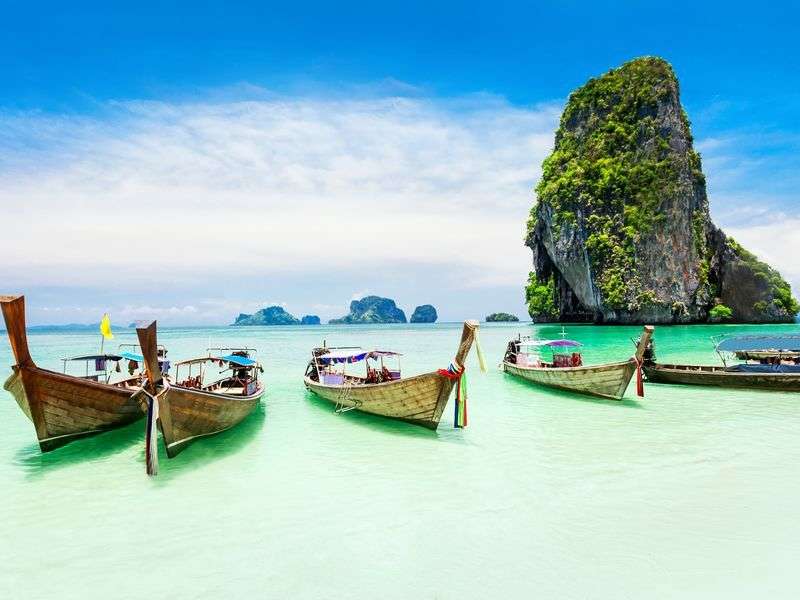
Experienced sailors say that the ideal conditions in Thailand are from November to April. Not only is the sunshine guaranteed, but the monsoon winds are pleasantly cool without being too harsh. The sea is calm, the sky is clear blue.
The end of the rainy season (October – November):
This is the time when the rains have subsided, but the crowds have not yet arrived. The air is fresh, the sun is shining brightly, and the beaches are still relatively empty. The water is warm, and the lush green landscape is vibrant with life.
The dry season (December – March):
The classic Thai sailing adventure! The northeast monsoon blows the sails beautifully, and the sunsets are a riot of colors that are hard to describe. Expect to be alone: popular spots like Phuket and the Phi Phi Islands are often crowded, so it’s worth planning ahead when you’ll be anchoring.
Change of season (April – May):
In my experience, April is one of the best times to go. The water is still crystal clear, the crowds are dwindling, and the atmosphere is more relaxed. The temperature is rising, but the sea breeze is still pleasant. By May, you may have the occasional thunderstorm, but if you’re flexible, you can still make the most of the good weather.
Rainy season (June – October):
Only the true adventurers stay aboard here. The southwest monsoon can bring stronger winds and rain zones, and the skies are often cloudy. It’s not your typical holiday sailing, but for those who like a challenge and green, lush scenery, it can be a special experience.
How do I get to Thailand?
The easiest (and most convenient) way is to head to Phuket International Airport (HKT) or Bangkok International Airport (BKK). During the dry season, there are direct flights from practically half of Europe and Asia – London, Singapore, Hong Kong, Dubai… There are both low-cost and traditional flights, so there’s plenty to choose from. From Bangkok, a short domestic flight or overnight train will take you to Phuket.
Where to sail in Thailand? – Ports and Islands
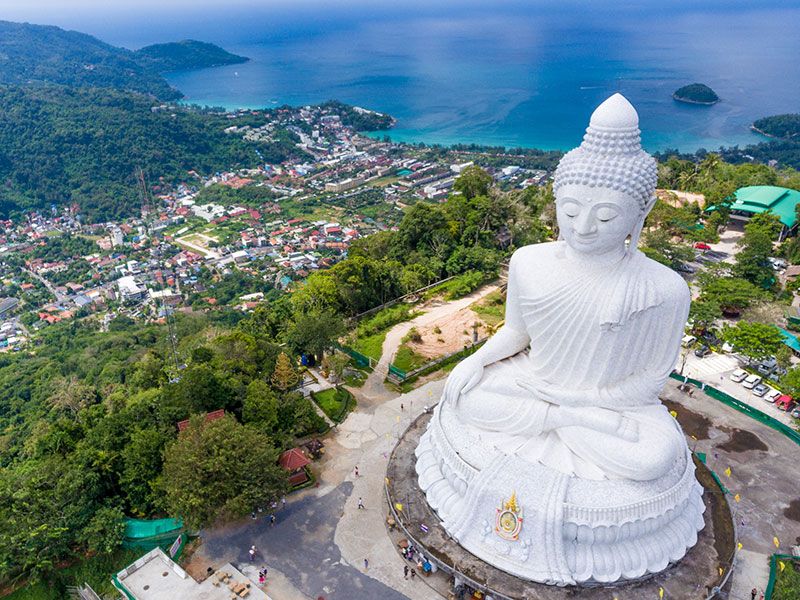
Phuket
Phuket is one of the best bases for Southeast Asian charter routes, offering modern marina infrastructure and easy-to-plan itineraries. The Phuket Yacht Club is ideal for boat handover and preparation: fuel docks, water points, and repair services ensure a smooth start. If you’re heading toward Patong Beach, drop anchor only in the designated, well-protected areas since swells can vary. Because the coastline is busy, depart early and always check tide charts-stronger currents in the channels can actually help maneuvering and reduce fuel consumption. More about sailing in Phuket, yacht rental Phuket
Krabi Coastline
The Krabi region-especially Railay Beach-is perfect for sailors looking for peace and natural beauty. Because it’s only accessible by water, using the right anchor and chain length is essential due to the rocky seabed. The area is great for dinghy landings. Arrive early in the morning when wave activity and tourist traffic are low, giving you calm conditions to enjoy the limestone cliffs and coastal climbing spots.
Phei Phi Don
Phi Phi Don is ideal for restocking supplies and enjoying nightlife. Tonsai Bay is always lively, so it’s best to use the official mooring buoys-these are safer than anchoring due to shifting depths. During peak season, consider reserving your mooring spot. Prepare short lines for quick tender embarkation. If you plan to continue sailing the next morning, allow extra time-the combination of morning swell and a tired crew may require a slower departure.
Ko Lanta
Ko Lanta is a calm, nature-focused stop on any charter route. The southern bays offer excellent anchorage with steady depths and mild currents, making them perfect for overnight stays. You’ll find beautiful coral reefs near the shore-keep snorkelling gear ready. Sunsets here are spectacular, making Ko Lanta a great place for onboard dinners and extended relaxation.
Phang Nga Bay
Phang Nga Bay’s mangrove forests and limestone formations make it ideal for slow, scenic sailing. Because some areas are shallow, always monitor the tide, especially with deeper-draft yachts. Anchor in protected bays where wind exposure is minimal, ensuring a stable overnight stay. It’s a perfect location for sunset dinners onboard-but keep spare lines and good anchor lighting ready, as local fishermen often work after dark.
James Bond Island (Ko Tapu)
Sailing around James Bond Island is an iconic experience, but restrictions and designated zones are common in the area: navigate slowly, keep your distance from rocks, and choose a stop (buoy/designated anchorage) according to local regulations. The best photos are taken in the morning or late afternoon, when the light is better and the waves are calmer.
Similan Islands
The Similan Islands are a national park, so you must use designated mooring buoys to protect the coral reefs. Wind direction changes quickly, so secure your boat well and check the swell before departure. Early mornings are ideal for snorkeling and diving-the visibility is incredible. Follow all park regulations-inspections are common.
Ko Lipe
Ko Lipe is a peaceful, remote destination ideal for quiet anchorage. The designated mooring spots are well protected, and the crystal-clear water is perfect for exploring nearby coral oases. Services on the island are limited, so bring water, food, and sun protection. Dinghy landings are easy, but pay attention to shore waves if the wind picks up.
Ko Yao Noi and Ko Yao Yai
These two islands in Phang Nga Bay are hidden gems: minimal tourism, authentic villages, and calm bays. Free anchoring is allowed, but always check depth, as the seabed changes quickly. A tender is ideal for going ashore; consider renting a bike or scooter to explore farmlands, rubber plantations, and local villages.
Ranong
Ranong is a lesser-known but stunning northern destination. Morning departures often come with mist rolling down from the mountains-a unique atmosphere. Channels between the islands are narrow, so plan maneuvers carefully around the tide, and expect stronger currents. This region is ideal for longer voyages if you seek solitude and untouched landscapes.
Surin Islands
The Surin Islands are a protected national park with pristine coral reefs. Anchor only in authorized spots to avoid damaging the delicate marine environment. Bring life vests and signalling gear for snorkel trips, as currents can be strong. This is a top destination for deep-sea adventures-but strict environmental rules apply, and must be followed.
Sailing in Thailand: Sailing Itineraries
Depending on where you’re starting from, we’ve also presented three recommended 7-day itineraries – around Phuket, Koh Phi Phi and Koh Samui.
Sailing in Phuket
This route is scenic, more sheltered, with lots of short sections and lots of landing/kayaking. Pay attention to the tides in the shallower sections and buoy regulations in the popular bays. Recommended level: Intermediate, advanced. Open sea sections: no.
Day 1: Phuket – Phanak Island (7.9 nm – Sailing time*: about 1.5 hours), Day 2: Phanak Island – Koh Hong (1.9 nm – Sailing time*: about 30 minutes), Day 3: Koh Hong – Koh Rang nok (13.1 nm – Sailing time*: about 2.5 hours), Day 4: Koh Rang nok – Houng Island (4 nm – Sailing time*: about 1 hour), Day 5: Houng Island – Koh Poda (10 nm – Sailing time*: about 2 hours), Day 6: Koh Poda – Koh Phi Phi (12.6 nm – Sailing time*: about 2 hours), Day 7: Koh Phi Phi – Naka Noi Island – Phuket (26.7 nm – Sailing time*: about 4.5 hours)
* – an average 43 ft sailing yacht, with average weather conditions, sails around 6-7 knots per hour.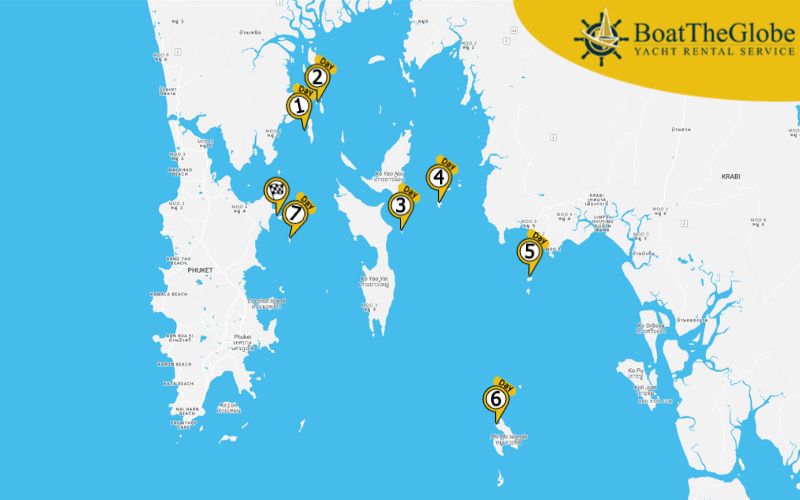
Day 1 – Phuket → Phanak Island 7.9 nm
The adventure starts from the Ao Po Grand Marina Phuket, where modern life mixes with the colorful world of Thai culture. After a short boat ride, you arrive at one of the hidden gems of Phang Nga Bay, Phanak Island, famous for its caves and mysterious lagoons, some of which can only be reached by kayak at high tide!
Day 2 – Phanak Island → Koh Hong 1.9 nm
The next stop, Koh Hong, is just a few kilometers away, yet it is a completely different world: it is surrounded by huge limestone cliffs and emerald green water. The word “hong” means “room” – the island’s inner lagoon is truly like entering a secret natural room.
3. Day 4 – Koh Hong → Koh Rang Nok 13.1 nm
A longer cruise awaits you this day, during which you will leave the bay and arrive at Koh Rang Nok, a quieter, lesser-known island. The beaches along the coast are ideal for swimming and snorkeling, and the surrounding coral reefs are a true marine paradise.
Day 4 – Koh Rang Nok → Hong Island 4.0 nm
The area around Hong Island is particularly popular with kayakers and nature lovers. During the day, you can explore hidden coves, caves hidden in the rocks, and even watch eagles circling the island.
Day 5 – Hong Island → Koh Poda 10.0 nm
On the way south, you will pass the island of Koh Poda, famous for its iconic, slender limestone cliffs rising from the sea. The snow-white sandy beach and turquoise water are the ideal place for a relaxing afternoon or even for a sunset photo shoot.
Day 6 – Koh Poda → Koh Phi Phi 12.6 nm
On this day, you will arrive at the legendary Koh Phi Phi Islands – where the movie The Beach was filmed with Leonardo DiCaprio. The islands’ spectacular cliffs, vibrant nightlife and crystal clear waters will make for an unforgettable experience.
Day 7 Day 1 – Koh Phi Phi → Naka Noi Island → Phuket 26.7 nm
On the last day, a longer but beautiful journey takes you back to Phuket, stopping along the way at the charming Naka Noi Island. This small coral island is the perfect place for a farewell swim or a fresh coconut before returning to civilization.
Sailing Koh Phi Phi
A good balance of party/supply stops and tropical anchorages, but there are several longer sections that can be choppier. Pay attention to the use of mooring buoys (around Phi Phi) and plan a backup bay if the popular spots are full. Recommended level: Intermediate-advanced, advanced. Open sea sections: partially.
Day 1: Koh Phi Phi – Maya Bay (3.7 nm – Sailing time*: about 1 hour), Day 2: Maya Bay – Mai Thon Island (17.7 nm – Sailing time*: about 3 hours), Day 3: Mai Thon Island – Ko He (6.3 nm – Sailing time*: about 1 hour), Day 4: Ko He – Phuket, Ra Wai Beach (3.3 nm – Sailing time*: about 1 hour), Day 5: Phuket, Ra Wai Beach – Ko Lon, Plastic Beach (3.7 nm – Sailing time*: about 1 hour), Day 6: Ko Lon, Plastic Beach – Bambo Island (24.2 nm – Sailing time*: about 4 hours), Day 7: Bambo Island – Koh Phi Phi, Nui Beach – Koh Phi Phi (3.8 nm – Sailing time*: about 1 hour)
* – an average 43 ft sailing yacht, with average weather conditions, sails around 6-7 knots per hour.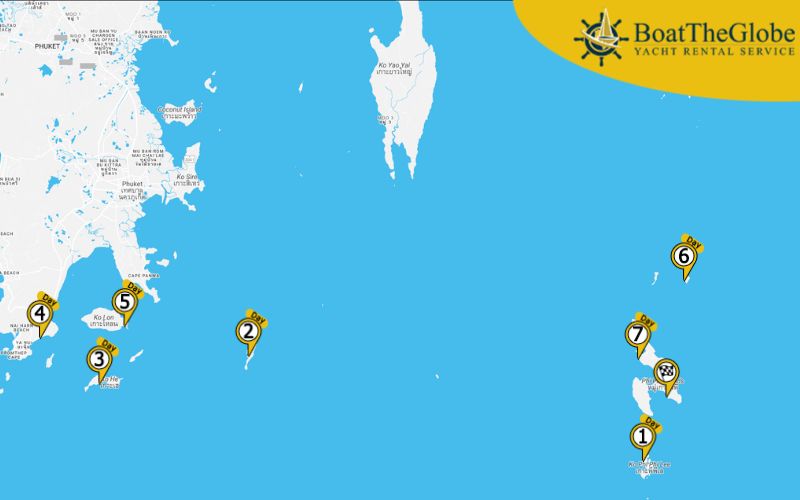
Koh Samui sailing itinerary
More open water, longer crossings and more current play: this is the “sportier” Thai charter. Pay attention to the daily meteo windows, the currents in the channels and have an alternative plan in case the wind picks up. Recommended level: Intermediate-advanced, advanced. Open sea sections: yes.
Day 1: Koh Samui – Koh Phangan, Leela Beach (14.1 nm – Sailing time*: about 2.5 hours), Day 2: Koh Phangan, Leela Beach – Koh Phangan, Mae Hand Beach (8.8 nm – Sailing time*: about 1.5 hours), Day 3: Koh Phangan, Mae Hand Beach – Koh Tao (18.2 nm – Sailing time*: about 3 hours), Day 4: Koh Tao – Koh Ang Thong National Park (24.5 nm – Sailing time*: about 4 hours), Day 5: Koh Ang Thong National Park – Koh Phaluai (7.6 nm – Sailing time*: about 1.5 hours), Day 6: Koh Phaluai – Tean Island (18.1 nm – Sailing time*: about 3 hours), Day 7: Tean Island – Koh Samui, The Beach Samui – Koh Samui (9.6 nm – Sailing time*: about 1.5 hours)
* – an average 43 ft sailing yacht, with average weather conditions, sails around 6-7 knots per hour.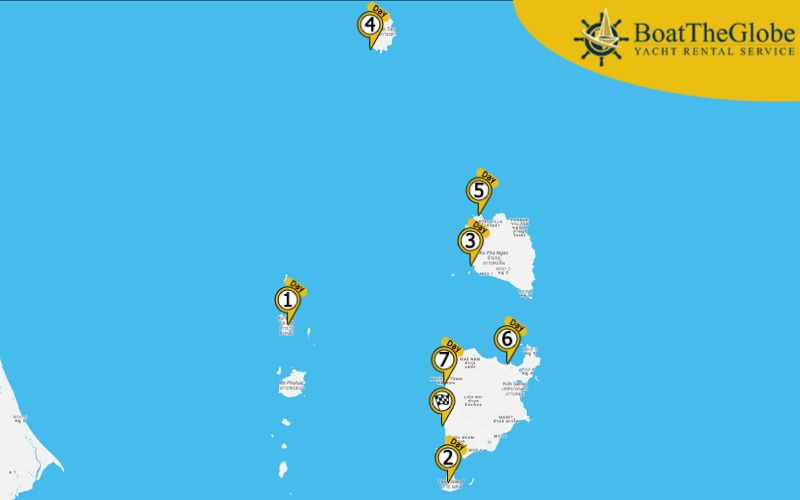
How to choose?
- If this is your first time sailing in tropical waters and you are looking for peace, scenery and short daily distances: Phuket and the Andaman Sea are the best choice.
- If you already have charter experience, like lively ports but don’t want extreme conditions: Koh Phi Phi offers a good balance between experience and safety.
- If you are sailing with a confident crew and are not afraid of longer crossings and open seas: Koh Samui and the Gulf of Thailand are more technical but extremely rewarding.
Sailing in Thailand FAQ
When is the best time to sail in Thailand?
The weather is usually most stable between November and April. April-May is tolerable, with fewer crowds but more heat and sometimes showers.
What is the difference between the Andaman Sea and the Gulf of Thailand?
The Andaman (Phuket-Krabi) is typically more sheltered and has spectacular lagoons, while the Gulf of Thailand (Koh Samui-Koh Tao) is more open, with longer runs and more currents.
Is Thailand good for beginners?
Yes, especially around Phuket due to the shorter stages and more sheltered waters. Regardless, monitoring the daily weather and tides is essential here too.
Is it worth anchoring or standing on a buoy?
Buoys are common in popular bays, and in many places this is the safer solution. If you anchor, watch the bottom, tides and wind changes at night.
How much tide should you expect in Thailand?
In certain bays and shallower areas, it is especially important: getting in and out, or dinghying, can be more difficult with bad timing. Check the tide table before setting off.
What are the ideal daily distances?
10-20 nm is comfortable for beginners, 15-30 nm is realistic for intermediates. Above 30 nm, it is worth planning with a weather window and an alternative stop.
What is the most common “surprise” on a Thai charter?
The crowded iconic bays (lack of buoys) and the fast-changing local showers. Be prepared with a plan B and arrive early at popular anchorages.
We can help you organize the most beautiful sailing experience in Thailand – stress-free, with a professional crew and perfect timing. Request a quote, fill out the form, and enjoy a carefree tropical sailing experience!
